
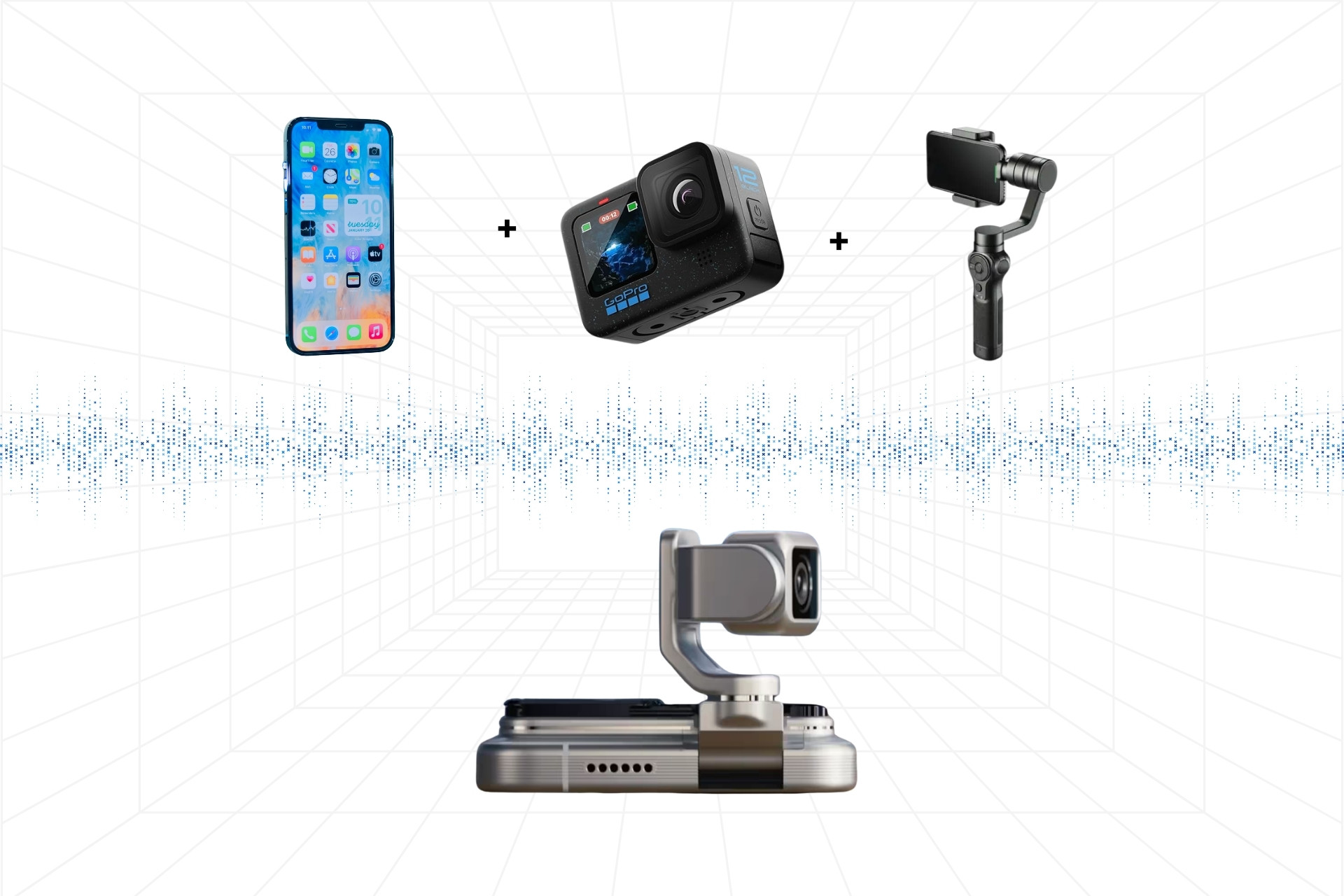
Boring phones are officially dead. The next ones might just walk, nod, and plan your life for you.
I’m not saying this. This is what Honor showed at MWC 2026.
If you’ve been swapping phones every year and thinking, “It’s just a slightly faster chip, a slightly better camera,” you’re not wrong. That used to be the story. But this year, everything feels different. Phones are no longer passive slabs of glass. They move, they react, and they even take initiative.
And it’s not just Honor. Samsung, Xiaomi, Lenovo – they all have devices that are more like assistants.
In short: the phone in your pocket isn’t going to be predictable anymore. It’s going to notice you. It’s going to follow you. And, in some ways, it’s going to start thinking for you.
The Honor Robot Phone: A Phone That Actually Moves
The first thing that makes you stop and stare? Honor Robot Phone. At first, it looks like a regular flagship. Big screen, camera bump. Nothing shocking.
Then the camera moves. Not digitally. Physically. On a motorized arm with a four-axis gimbal. Tiny engineering magic squeezed into a phone.
Why it matters to you:
- It Has Personality: During the demo, the camera behaves like a little robotic head. It nods if you ask a question, tilts if curious, even sways to music.
- Hands-Free Vlogging: You can put it on a desk and walk around and the phone will track you automatically. We can say it’s similar to a 360° camera.
- Cinema-Level Tech: There’s a 200MP sensor made with ARRI – the same folks who make Hollywood cameras. Professional stabilization without carrying extra gear.
You’ll likely see this robot phone hit the Chinese market in late 2026. It’s the first time I’ve seen a phone feel alive.
Agentic AI: When Your Phone Starts Acting on Its Own
AI on phones until now has mostly been reactive. You ask, it responds. You edit, it enhances. That’s it – that’s what reactive AI is about.
But agentic AI changes that.
Your phone starts acting without you telling it to. Planning a trip? You just say, “I need to be in Mumbai next Tuesday.” The AI agent checks flights, books cabs, finds a hotel near your meeting, and blocks your calendar – all in the background.
Samsung’s new Galaxy lineup is betting on this heavily. The idea: your phone learns your patterns, anticipates your needs, and helps before you even realize you need help.
It’s impressive. And a little unsettling. You’re trusting your phone to do more than ever before.
The Phone Is Becoming the Center of Everything
And there’s another big trend coming along. Phones are becoming the hub for everything.
Samsung’s Galaxy Ring and Buds feed biometric data back to your phone. It can adjust lights, suggest breaks, or even reschedule meetings if it thinks you’re stressed.
Xiaomi went further. Phones controlling smart homes, experimental electric vehicles – it’s all connected.
Lenovo showed foldable gaming gadgets that tap into your phone’s AI for extra processing. Your phone isn’t just a gadget anymore. It’s where everything connects, coordinates, and thinks.
Why This Shift Is Happening Now
I remember my friends being so obsessed with buying the latest phone – the newest iPhone, specifically. They’d insist it had all these “revolutionary” features, but if you actually looked at them side-by-side, it was barely different. We’ve all been stuck in that cycle of paying a premium for invisible upgrades for years. It’s been predictable, boring, and a massive disappointment.
But after what I saw at MWC 2026, I think that “boring” era is over. The simple answer for why this shift is happening now is that smartphone innovation had basically hit a wall. Screens are already bright, cameras are capable, and battery improvements are slow. Manufacturers realized they couldn’t keep selling us the same slab of glass and expect us to stay excited.
They needed something more dramatic. Robotics and AI interaction offer a totally new direction. Instead of focusing only on specs, companies are experimenting with how devices behave and interact with us. It’s not just a faster processor; it’s a shift in how we live with our tech.
The Reality Check
As exciting as these ideas sound, there are still some obvious concerns.
Privacy is a big one. A phone with a robotic camera that can turn and track people naturally raises questions about surveillance. Even if the system is designed to stay local and private, users will want clear controls.
Then there’s durability. Moving parts in smartphones haven’t always aged well. Anyone who remembers early pop-up selfie cameras knows how fragile those mechanisms could be.
And of course, the price is mostly going to be high. Advanced gimbal systems and on-device AI processing won’t come cheap.
For now, these devices will probably sit firmly in the premium category.
Conclusion
One thing is loud and clear: smartphones are evolving quickly. They are not just a tool in our hand. They move, observe and do most of the tasks for you.
The Honor Robot Phone, Agentic AI, and connected ecosystems from Samsung, Xiaomi, and Lenovo hint at a future where your phone doesn’t just sit in your pocket, it participates in your life.
It’s exciting. A little strange. Maybe even a bit unsettling.
But one thing’s for sure: the phone you know today is about to change, and there’s no going back.
FAQs
1. What exactly is a Robot Phone?
A robot phone is basically a high tech phone that can move its camera instead of being fixed in one place. It has a small gimbal which has a sensor motor fixed so the camera can follow you or adjust angles automatically.
2. When can you buy one?
You can’t buy it right now. Right now it’s just a prototype and not mass produced yet. But Honor mentioned its launch in China in 2026.
3. What is Agentic AI?
Agentic AI basically means the AI will do tasks along with answering questions. Like opening apps, booking hotels, checking schedules, or finishing a task without you pressing ten buttons.
4. Will my current phone become obsolete?
Not really. Your current phone will still do normal stuff. Newer phones might just handle these AI features better because they’ll have hardware built for it.
5. Should I worry about privacy?
Concern about privacy is actually very normal. It’s just a speculation but most companies will probably include switches or settings to disable it, otherwise people simply won’t trust it.


